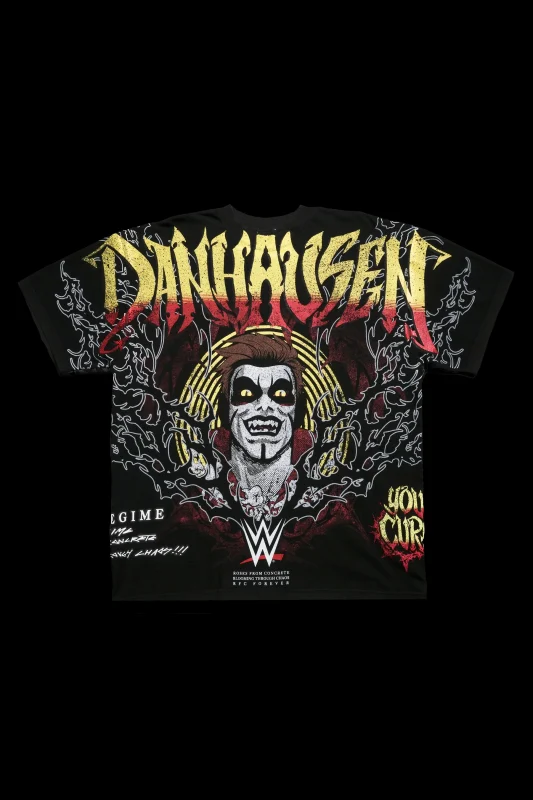

Civil Regime: Why Back Prints Create a Different Streetwear Aesthetic

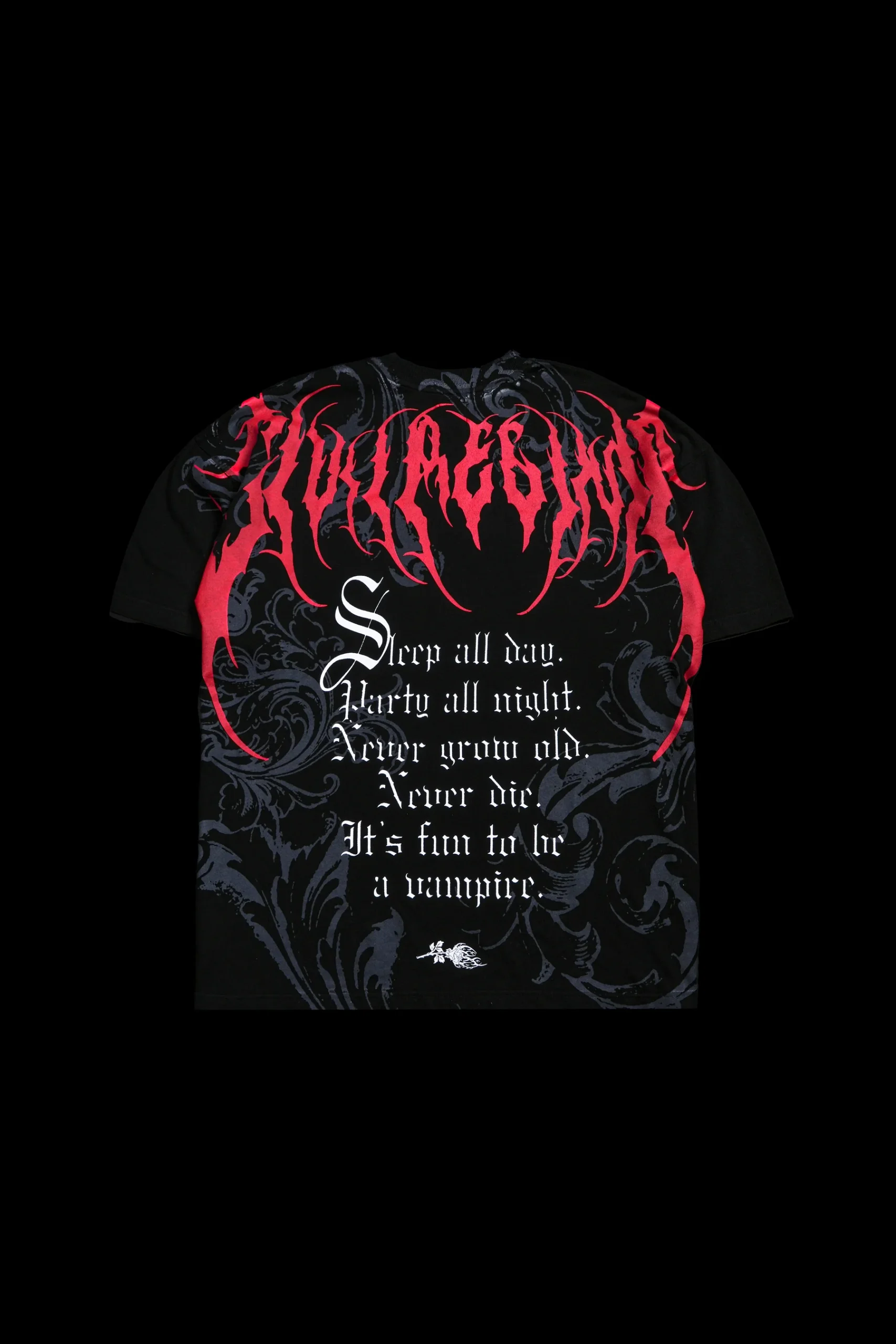
A graphic on the back of a T-shirt changes how a design interacts with the people around it. Unlike a front print, which remains visible during face-to-face conversations, a back graphic becomes more noticeable when someone walks away, turns around, or moves through a crowded space. This difference gives back-printed clothing a distinct role in streetwear, where artwork, garment proportions, and placement can influence the appearance of an entire outfit.
Civil Regime provides a starting point for examining how graphic placement shapes the way people approach contemporary streetwear. Beyond the choice of artwork itself, the position of a print can affect how a garment looks, how it works with other clothing, and which details attract attention first.
Why Back Prints Change the Visual Balance
The back of a T-shirt or hoodie offers a broad surface for graphic design. Without the same front-facing details, such as a neckline, chest pocket, or central front print, designers can arrange artwork across a larger uninterrupted area.
This space allows for different compositions. A design might sit between the shoulders, extend across the upper back, or occupy most of the garment’s rear panel. Each placement creates a different visual effect. Smaller graphics leave more fabric visible, while larger prints make the back a stronger focal point.
The garment’s silhouette also matters. On an oversized T-shirt, a wide graphic can complement the relaxed proportions. On a shorter or more fitted garment, the same artwork may appear more concentrated. The relationship between print size and garment shape helps determine whether the design feels balanced.
The Difference Between Front and Back Graphics
Front prints and back prints serve different visual purposes. A chest graphic is easy to notice from the front and can become a central part of an outfit during everyday interactions. A back graphic works differently because its visibility depends on the wearer’s position and movement.
This distinction gives shoppers more options when choosing graphic clothing. A small front logo combined with a larger back design creates a different appearance from a T-shirt carrying a large illustration across the chest. The first arrangement distributes visual interest between two surfaces, while the second concentrates attention on the front.
For Civil Regime Clothing shoppers, comparing these placements can help clarify which type of graphic arrangement best suits their preferences. The choice is not simply about selecting a larger print; it is about deciding where visual emphasis should sit.
How Back Prints Work With Oversized Silhouettes
Oversized clothing has become a recognizable element of modern streetwear, partly because its proportions create more room for experimentation with graphics. A relaxed T-shirt or hoodie provides a larger canvas, allowing designs to interact with the width and length of the garment.
A wide back print can reinforce the horizontal proportions of an oversized shirt. A vertically arranged illustration, meanwhile, can draw attention down the back and create a different sense of movement. These effects depend on the artwork, the garment’s dimensions, and how the clothing fits the wearer.
Styling can influence the result as well. Loose denim or relaxed trousers can maintain a consistent silhouette, while slimmer bottoms introduce contrast between the upper and lower halves of an outfit. Neither approach is universally preferable; the most effective combination depends on the desired proportions.
Color, Contrast, and Graphic Visibility
A back print does not need to cover the entire garment to attract attention. Color contrast, lettering, and the arrangement of individual design elements can make a smaller graphic visually prominent.
White or light-colored artwork against a dark background often creates strong contrast. Designs using similar shades can produce a more restrained effect, allowing the print to blend into the garment rather than dominate it. Multicolored artwork introduces another variable because different elements may compete for attention.
When evaluating a graphic T-shirt or hoodie, shoppers should consider how the print works with the base color. They can also look at whether the artwork complements other pieces in their wardrobe. This makes it easier to build outfits around the garment without introducing unnecessary visual competition.
Styling Civil Regime-Inspired Graphic Outfits
A back-printed T-shirt can serve as the main visual feature of a straightforward streetwear outfit. Pairing it with denim and simple footwear keeps the overall combination focused on the garment. An open jacket can add another layer, although its coverage may conceal part of the back graphic.
Hoodies introduce similar considerations. Their hoods, seams, and heavier construction can affect how a print appears when the garment is worn. A graphic positioned lower on the back may remain visible beneath the hood, while an upper-back design could interact more closely with it.
Before purchasing a piece from Civil Regime, shoppers interested in Civil Regime WWE designs can examine product photographs from multiple angles to understand the artwork’s size and position. Checking garment measurements, material details, and fit information also helps establish whether the item will work with their preferred outfits.
Why Print Placement Matters in Streetwear
Back prints demonstrate how a relatively simple design decision can change the character of a garment. The same artwork can produce different results depending on its size, location, colors, and relationship to the clothing’s silhouette.
For streetwear shoppers, these details provide a more useful way to compare graphic pieces than relying on the general appeal of a design alone. A back print might suit someone who prefers large illustrations and rear-facing graphics, while another person may prefer the immediate visibility of a chest design.
Civilregime can be considered within this broader discussion of graphic clothing and visual composition. Ultimately, choosing between front and back prints comes down to personal taste, garment proportions, and how each design fits into an individual’s wardrobe.