

Civil Regime Materials | Washed Fabrics and Streetwear Design

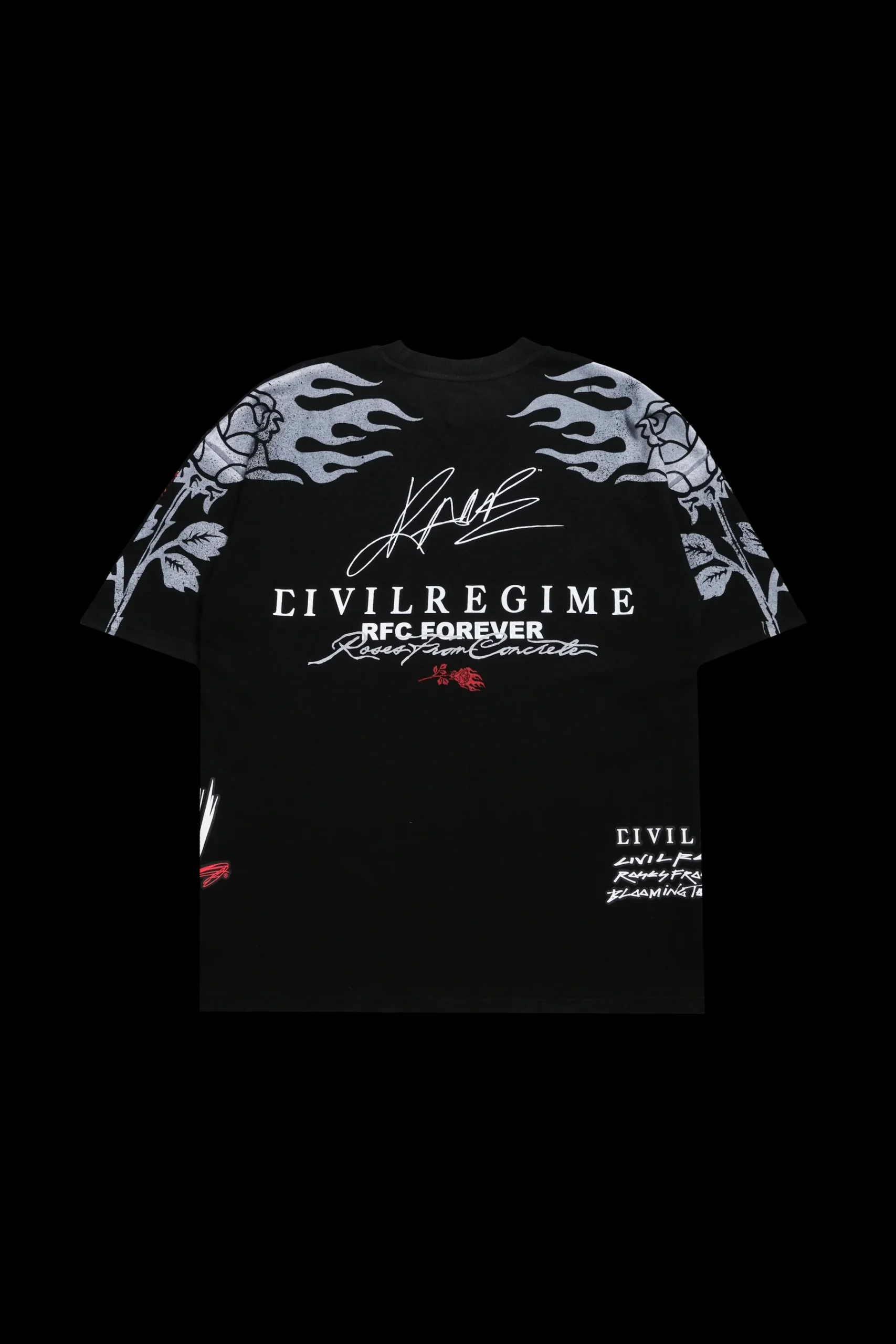
Civil Regime: What Makes Its Materials Different From Everyday Streetwear?
Streetwear often places the greatest emphasis on graphics, logos, and recognizable silhouettes, but the material beneath those details can influence how a garment looks and feels just as much. Fabric texture, surface treatments, stitching, and decorative construction all contribute to the final appearance of a piece. Civil Regime offers an interesting subject for examining these elements because its clothing combines graphic-focused design with garment finishes that give individual pieces a more textured, developed appearance.
Understanding what makes Civil Regime different requires looking beyond the artwork printed on a hoodie or T-shirt. The fabric itself, the way it is treated, and the additional details applied during construction can all affect how a garment stands apart from conventional casual clothing.
Fabric Choice Beyond Basic Cotton
Cotton remains a common material in streetwear because it can provide softness, breathability, and versatility across different garment types. However, not every cotton fabric has the same structure or feel. Differences in weight, yarn construction, and finishing can produce noticeably different results.
French terry is one example of a fabric used in sweatshirt construction. Its characteristic looped interior distinguishes it from fleece, which generally has a brushed interior. The choice between these constructions can affect texture, warmth, and how a garment feels against the skin.
Civil Regime product descriptions identify French terry cotton in certain hoodie designs. This provides a concrete starting point for discussing material selection without assuming that every item in the collection uses the same fabric.
The important distinction is that naming a fabric does not automatically establish superior quality. Weight, fiber quality, construction, and finishing also matter when evaluating how a garment performs.
Washed Finishes and Surface Character
Fabric treatments can change the appearance of clothing without changing its fundamental fiber composition. Washing processes, for example, may create variations in color, soften the surface, or produce a worn-in appearance.
These treatments are particularly relevant to streetwear because an uneven finish can give a garment more visual depth than a uniform surface. Mud-inspired coloring, faded effects, and contrasting tones can make the fabric itself part of the design rather than simply a background for printed artwork.
Civil Regime’s product naming includes finishes such as Black Mud Stain and Orange Lava Wash on specific designs. These names communicate a particular visual direction, although the exact production methods should not be assumed without technical documentation.
For shoppers, the distinction matters because a washed appearance can be achieved through different processes. Product photographs reveal the intended look, while detailed specifications are needed to establish the treatment used and how the garment should be cared for.
Appliqué Adds Another Dimension to Design
Printed graphics are familiar throughout streetwear, but appliqué introduces a different construction technique. Rather than placing all the artwork directly onto the fabric, appliqué uses an additional piece of material attached to the garment.
This creates a physical element that can differ from the surrounding surface in texture, thickness, and visual prominence. Depending on the construction, the result may add depth that a flat printed image does not provide.
Rose appliqué details on selected Civil Regime designs illustrate how decorative elements can contribute to a garment’s appearance. The detail becomes part of the construction rather than simply another image on the fabric.
Appliqué is not exclusive to Civil Regime, but its placement and combination with other design features can contribute to the identity of an individual piece.
How Material and Design Work Together
Fabric, washing, and decoration are most effective when they support the same overall direction. A heavily treated surface may complement a distressed graphic, while a contrasting appliqué can introduce a more dimensional feature.
These elements also influence how a garment works within an outfit. A textured hoodie paired with simple denim allows its surface details to remain prominent. Alternatively, combining it with other patterned or distressed pieces can create a more layered streetwear look.
This relationship between construction and styling helps explain why evaluating clothing solely by its logo or printed design provides an incomplete picture. Two garments may feature similar graphics but differ considerably in their fabric structure, surface finish, and decorative construction.
For Civilregime, individual product specifications are therefore more useful than assuming that every hoodie or T-shirt shares one universal material characteristic.
What Buyers Should Examine Before Purchasing
Material descriptions can help shoppers compare clothing, but several details deserve attention before making a decision.
First, check the stated fiber composition and fabric construction. Terms such as cotton, French terry, and fleece describe different aspects of the material and should not be treated as interchangeable.
Second, examine the product photographs for visible surface treatments, appliqué, embroidery, or other construction details. These features can help explain a garment’s appearance, although photographs alone cannot confirm its durability. For collaborative pieces such as Civil Regime x WWE, where applicable, also look at how the collaboration’s graphics and design elements are incorporated into the garment.
Third, review the care instructions. Certain finishes and decorative components may require particular washing practices to preserve their appearance.
Finally, consider the garment’s weight, fit, and intended use. A material that works well for a heavyweight sweatshirt may not be appropriate for a lightweight T-shirt. The best choice depends on the specific product rather than the brand name alone.
Where Civil Regime’s Material Identity Comes From
Civil Regime’s material-related design approach is best understood through the combination of fabric selection, surface treatments, and decorative details found in particular products. French terry construction provides texture, washed finishes influence the garment’s visual character, and appliqué can introduce additional dimension.
None of these techniques is exclusive to one label. Their significance comes from how they are combined within an individual design and how accurately the finished product reflects its description.
Looking at these details offers a more useful way to understand Civil Regime Clothing than relying on broad claims about premium or revolutionary materials. The fabric, finish, and construction provide tangible characteristics that shoppers can investigate, compare, and evaluate.
Ultimately, what distinguishes a streetwear garment is not necessarily an entirely new material. It can also be the considered use of established techniques to create a particular appearance and wearing experience. Civil Regime’s product details provide a starting point for exploring that relationship between materials and modern streetwear design.
