Civil Regime | Beginning of the Streetwear Brand

Civil Regime’s place in streetwear is easier to understand by looking at how its clothing developed around graphics, casual silhouettes, and garments designed for everyday wear.
Rather than treating the brand as simply another name attached to printed clothing, its identity can be examined through the details that appear across its releases: graphic artwork, garment proportions, color choices, and the way individual pieces are styled.
The Early Direction of Civil Regime
The beginning of a streetwear brand is often visible in its first products. Early garments establish the types of graphics, silhouettes, colors, and construction details that later become recognizable.
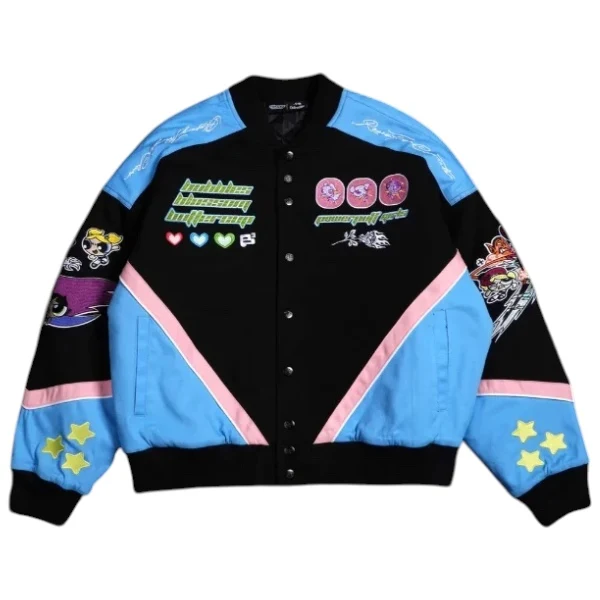
For Civil Regime, clothing provides the main platform for this development. T-shirts and other casual garments can carry substantial graphic artwork, while hoodies, sweatshirts, pants, and outerwear provide additional surfaces for different treatments and layouts.
This approach places the garment itself at the center of the brand’s streetwear identity.
Graphics as a Starting Point
Graphic clothing has long been closely connected with streetwear, and Civil Regime uses graphics as an important part of its product design.
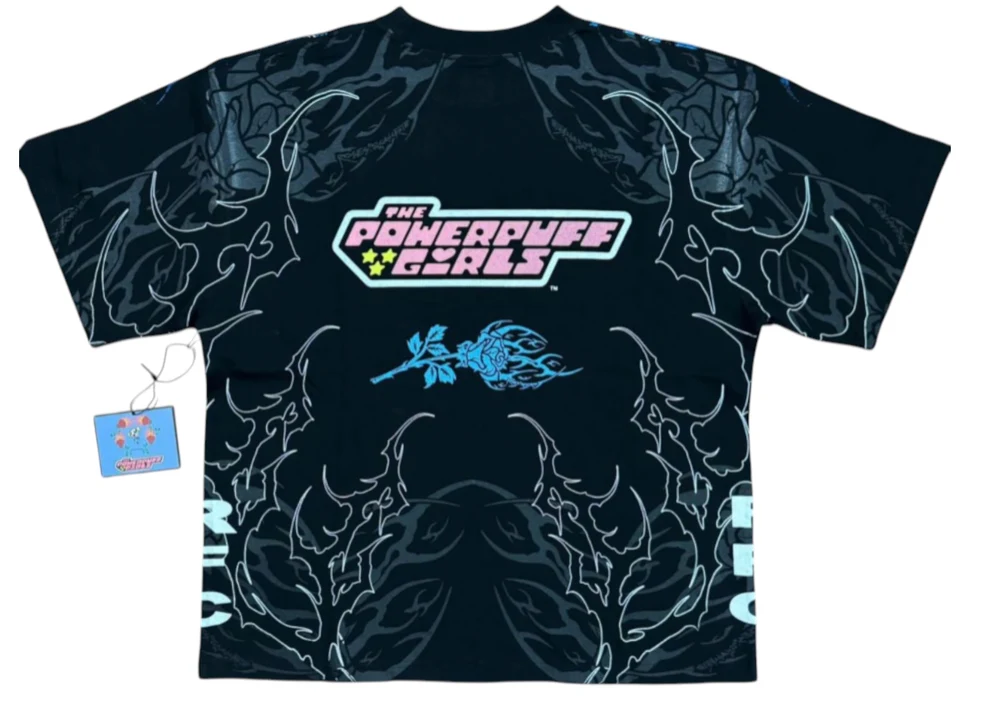
The artwork can appear across the front, back, sleeves, or smaller areas of a garment. Different placements change how a piece is seen and how it works within an outfit.
A large back graphic, for example, creates a different effect from a small chest design. Combining front and back artwork creates another result again.
These decisions matter because they give individual garments their own appearance instead of making every piece follow exactly the same layout.
From Individual Garments to a Wider Wardrobe
As a streetwear label develops, its clothing can move beyond one product category.
T-shirts provide a straightforward canvas for graphics, while hoodies and sweatshirts introduce greater weight and volume. Pants and outerwear change the silhouette and give the clothing another way to carry branding and design details.
This wider selection also changes how people can wear the brand.
A Civil Regime T-Shirt can become a base layer, while a hoodie or jacket can become the main outer piece. Different combinations allow the same graphic-focused approach to work across different seasons and outfits.
The Role of Fit
Streetwear is not defined by graphics alone. The shape of the garment can change how the design looks when worn.
A relaxed T-shirt gives artwork more space around the body, while an oversized hoodie creates a larger overall silhouette. Pants can add another dimension through their leg width, rise, and length.
For Civil Regime clothing, individual measurements are therefore important when examining older and newer pieces. A general assumption about the brand’s sizing cannot replace the measurements of a particular garment.
Building Recognition Through Details
Brand recognition can develop through repeated design decisions.
Graphics may change from release to release, but recurring approaches to artwork, placement, colors, silhouettes, and smaller details can help create a recognizable appearance.
This is why looking at several Civil Regime garments can be more informative than judging a single T-shirt in isolation.
The relationship between the artwork and the garment becomes easier to see when different pieces are compared side by side.
Civil Regime in the Streetwear Landscape
Civil Regime emerged within a streetwear environment where graphic clothing, relaxed fits, casual footwear, and layered outfits were already established parts of everyday dress.
Its clothing can be understood within that wider environment without reducing the brand to a generic streetwear formula.
The important details are found in the individual products: what artwork is used, where it is placed, how the garment fits, what materials are listed, and which construction details accompany the design.
Those elements provide a more useful way to understand the brand than broad descriptions about streetwear culture alone.
Looking Back at Civil Regime’s Development
The development of a clothing brand can be traced through changes in its products.
Comparing different Civil Regime releases can reveal changes in graphics, garment types, proportions, colors, and construction. Older pieces can also provide useful context for understanding which design approaches remained recognizable and which changed over time.
When researching the brand’s history, however, product evidence and documented information should be separated from assumptions. A release date, founder, location, collaboration, or milestone should only be presented as fact when there is reliable evidence for it.
That distinction is particularly important when discussing the early period of a streetwear label.
From Beginning to Recognition
Civil Regime’s streetwear story can be viewed through the gradual development of its clothing rather than through one single design feature.
Graphic artwork provides visual interest. Relaxed silhouettes affect the way garments are worn. Color and placement change the appearance of individual pieces, while construction details add another layer beyond the main artwork.
Together, these elements explain how a collection of individual garments can develop a recognizable place within streetwear.
For anyone exploring Civil Regime Clothing today, looking at that progression can be more useful than focusing only on the newest release. Earlier pieces show where particular design approaches appeared, while later garments show how those ideas were adapted across different types of clothing.